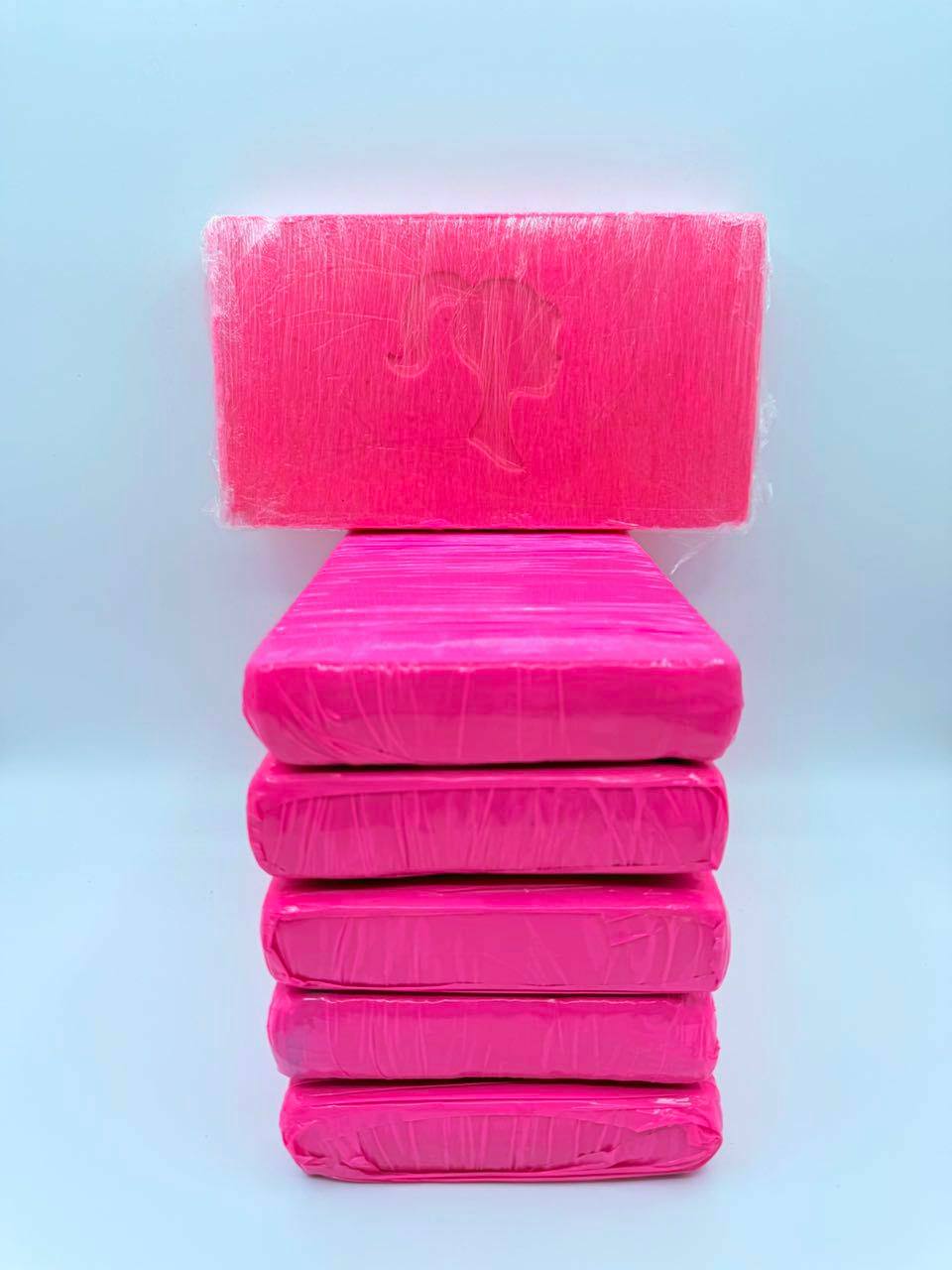


Tussi ( Pink Cocaine )
£50.00 – £5,830.00Price range: £50.00 through £5,830.00
Tussi Drug
Tussi (Pink Cocaine): Effects, Risks, Ingredients, and Safety Information
Tussi (Pink Cocaine): A Complete Educational Guide
Tussi, commonly known as “pink cocaine” or “tucibi”, is a recreational substance that has gained attention in nightlife and party environments. Despite its nickname, Tussi is generally not the same as traditional cocaine. The name “pink cocaine” comes mainly from its bright pink color and its association with club culture, rather than its chemical composition.
The contents of Tussi can vary significantly. Different samples may contain combinations of substances such as stimulants, dissociatives, caffeine, or other psychoactive compounds. Because the ingredients are unpredictable, the effects and risks can differ from one sample to another.
This guide explains what Tussi is, how it may affect the body, potential risks, and important safety considerations.
What Is Tussi (Pink Cocaine)?
Tussi is a street name used for a range of recreational drug mixtures. The term became popular in parts of Latin America and later spread internationally through nightlife scenes.
Although it is sometimes marketed under names associated with cocaine, Tussi does not have a consistent formula. One batch may contain different substances from another batch, making it difficult to predict its effects.
The pink color often comes from added coloring agents rather than the active ingredients themselves.
Tussi Overview Table
| Category | Information |
|---|---|
| Common Names | Tussi, Pink Cocaine, Tucibi, 2C-B-related street names |
| Substance Type | Unregulated recreational drug mixture |
| Appearance | Often reported as pink powder |
| Chemical Composition | Can vary widely between samples |
| Commonly Reported Effects | Changes in mood, perception, energy, and sensory experiences |
| Main Concern | Unknown ingredients and unpredictable potency |
| Legal Status | Depends on location and the substances contained |
| Primary Risks | Overdose, dangerous interactions, anxiety, confusion, cardiovascular stress |
Why Is It Called Pink Cocaine?
The nickname “pink cocaine” can be misleading. Many people assume the substance is simply cocaine with pink coloring, but this is generally inaccurate.
The name is often linked to:
-
Its pink appearance
-
Nightlife marketing and branding
-
Associations with luxury party culture
-
Misleading street terminology
The actual contents may not include cocaine at all.
Possible Effects of Tussi
Because Tussi mixtures are inconsistent, reported effects can vary. Some people report:
-
Increased energy or stimulation
-
Altered perception
-
Changes in mood
-
Feelings of euphoria
-
Increased sociability
-
Distorted sense of time
-
Changes in sensory experiences
However, unpredictable ingredients can also lead to unwanted reactions.
Potential Health Risks
Using unknown drug mixtures can carry serious risks because the person may not know what substances or concentrations are present.
Possible risks include:
| Risk Area | Possible Concerns |
|---|---|
| Heart and Circulation | Increased heart rate, elevated blood pressure, cardiovascular strain |
| Mental Health | Anxiety, panic, paranoia, confusion, agitation |
| Brain and Nervous System | Impaired judgment, altered perception, neurological effects |
| Temperature Regulation | Risk of overheating in crowded environments |
| Drug Interactions | Increased danger when combined with alcohol or other substances |
| Dependence | Some people may develop patterns of problematic use |
Why Tussi Can Be Dangerous
The biggest concern with Tussi is uncertainty.
Unlike regulated medications, street-produced substances do not have standardized manufacturing or quality control. A powder sold under the same name may contain completely different ingredients from another sample.
Factors that increase risk include:
-
Unknown chemical contents
-
Unknown strength or concentration
-
Mixing with alcohol or other drugs
-
Existing heart or mental health conditions
-
Taking substances in uncontrolled environments
Tussi and Drug Testing
Because Tussi does not have a fixed formula, identifying it can be difficult.
Testing methods may detect certain compounds, but results can vary depending on:
-
The specific ingredients present
-
The testing method used
-
The accuracy of available equipment
A substance’s color, name, or appearance does not reliably identify what it contains.
Frequently Asked Questions (FAQ)
What is pink cocaine?
Pink cocaine is a street name commonly used for Tussi or tucibi, a recreational drug mixture that is often pink in color. It is not necessarily cocaine and may contain different substances.
Why is Tussi pink?
The pink color usually comes from added coloring. The color does not indicate a specific chemical composition or strength.
Is Tussi the same as cocaine?
No. Despite the nickname “pink cocaine,” Tussi is generally different from traditional cocaine and may contain various other substances.
What ingredients are in Tussi?
There is no universal recipe. The ingredients can vary significantly between batches and locations.
What are the risks of Tussi?
Potential risks include unpredictable reactions, anxiety, cardiovascular stress, impaired judgment, dangerous interactions, and overdose.
Can Tussi be addictive?
Some substances found in Tussi mixtures may carry a risk of dependence or problematic use patterns.
Is Tussi legal?
The legal status depends on the country, region, and the specific substances contained in the mixture.
Why is Tussi difficult to identify?
Because it is an unregulated mixture, two samples with the same name may contain completely different chemicals.
Safety Awareness Information
If someone experiences severe symptoms after taking an unknown substance, such as:
-
Chest pain
-
Difficulty breathing
-
Seizures
-
Extreme confusion
-
Loss of consciousness
-
Severe agitation or overheating
they should seek emergency medical assistance immediately.
Avoiding unknown substances and understanding potential risks are important steps for protecting personal health and safety.
Conclusion
Tussi, also known as pink cocaine or tucibi, is an unpredictable recreational substance with varying ingredients and effects. Its appearance and name can create misconceptions, but the main concern is the uncertainty surrounding what it contains.
Understanding the risks, recognizing warning signs, and accessing reliable health information can help people make safer decisions.