BLACK TAR H
£300.00 – £1,340.00Price range: £300.00 through £1,340.00
Black Tar Heroin
Black Tar Heroin: Risks, Effects, Addiction & Treatment Information
Black Tar Heroin: Understanding Risks, Effects, Addiction & Recovery
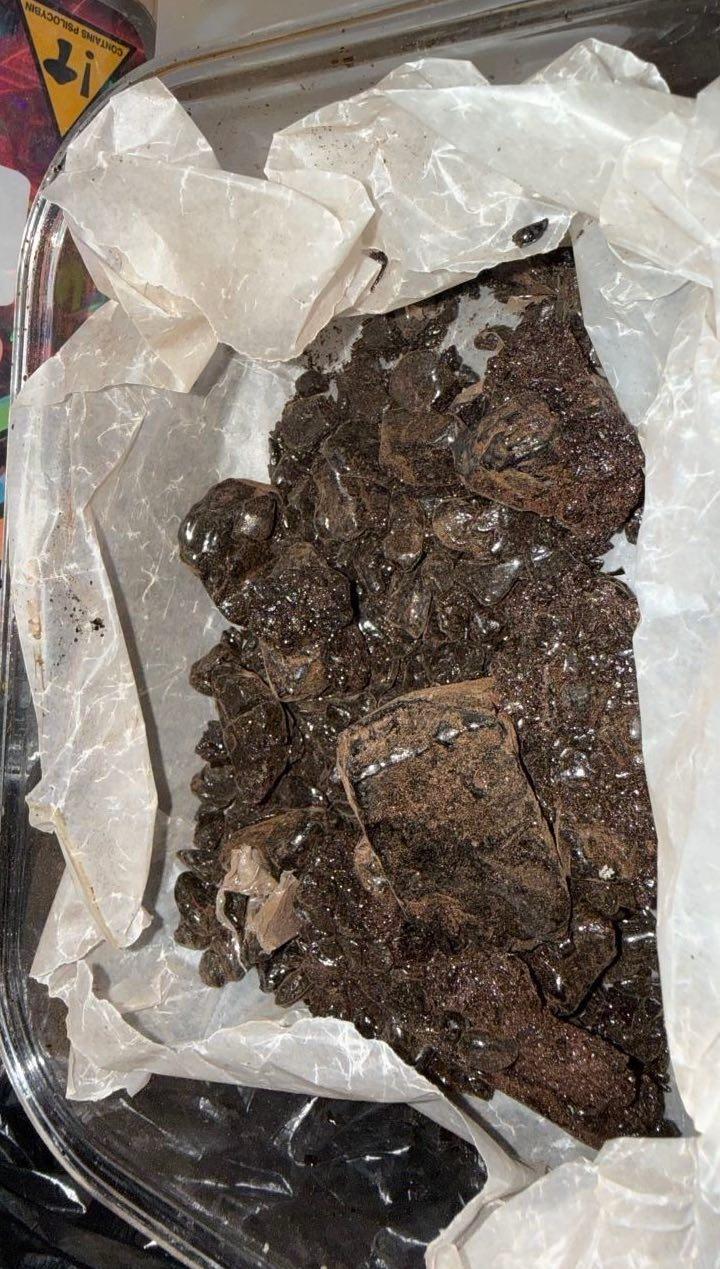
Black tar heroin is a type of illicit opioid associated with serious health risks, including addiction, overdose, and long-term physical and mental health complications. It is called “black tar” because of its dark, sticky appearance, which results from the way it is processed.
Unlike prescription medications used under medical supervision, illicit heroin products are unpredictable in strength and purity. This uncertainty increases the risk of accidental overdose, especially when substances are contaminated with other powerful opioids.
This educational guide explains what black tar heroin is, how it affects the body, common warning signs of opioid misuse, potential dangers, and where people can seek support.
Black Tar Heroin. Clean And F Free.
| Quantity | Price |
|---|---|
| 1g | £70 |
| 3.5g | £180 |
| 7g | £300 |
| 14g | £500 |
| 28g | £900 |
| 56g | £1600 |
| 112g | £2900 |
| 125g | £3150 |
| 250g | £5500 |
What Is Black Tar Heroin?
Black tar heroin is an illegally produced form of heroin, an opioid drug made from morphine. It is typically less refined than other forms of heroin, which gives it a dark color and a sticky or solid texture.
Heroin affects the brain’s opioid receptors, creating feelings of euphoria and relaxation. However, repeated use can quickly lead to physical dependence and addiction.
Because illicit heroin production is not regulated, users may not know the actual contents or potency of what they encounter.
Black Tar Heroin Overview Table
| Category | Information |
|---|---|
| Substance Type | Illicit opioid |
| Appearance | Dark brown to black, often sticky or solid |
| Main Active Compound | Diacetylmorphine (heroin) |
| Drug Class | Opioid |
| Main Effects | Pain relief, sedation, euphoria |
| Major Risks | Addiction, overdose, infections, respiratory problems |
| Addiction Potential | Very high |
| Health Impact | Can affect the brain, lungs, heart, and overall wellbeing |
| Treatment Approach | Medical care, behavioral therapy, and recovery support |
How Black Tar Heroin Affects the Body
Heroin interacts with opioid receptors in the brain and nervous system. These receptors influence pain, pleasure, breathing, and emotional responses.
Short-term effects may include:
-
Feelings of intense pleasure or relaxation
-
Drowsiness
-
Slowed breathing
-
Confusion or reduced alertness
-
Nausea and vomiting
-
Difficulty concentrating
Over time, repeated opioid exposure can change the brain’s reward system, making it harder for a person to stop using the substance without professional support.
Health Risks Associated With Black Tar Heroin
1. Addiction and Dependence
Heroin has a high potential for addiction because it strongly activates the brain’s reward pathways. Over time, a person may need more of the substance to experience the same effects.
Dependence can cause withdrawal symptoms when use is reduced or stopped.
Common withdrawal symptoms may include:
-
Anxiety and restlessness
-
Muscle aches
-
Sweating
-
Sleep problems
-
Nausea
-
Strong cravings
2. Overdose Risk
One of the most serious dangers associated with heroin is overdose.
Opioids can slow the body’s breathing system. In severe cases, breathing may become dangerously slow or stop.
Signs of a possible opioid overdose can include:
-
Extreme sleepiness or unconsciousness
-
Slow or irregular breathing
-
Blue or gray lips or fingertips
-
Weak response to stimulation
-
Loss of consciousness
An opioid overdose is a medical emergency and requires immediate emergency assistance.
3. Infection and Disease Risks
Because illicit substances may be produced or handled in unsafe conditions, they can expose individuals to additional health dangers.
Possible complications include:
-
Skin infections
-
Blood infections
-
Tissue damage
-
Heart infections
-
Transmission of infectious diseases through unsafe injection practices
Signs Someone May Be Struggling With Opioid Misuse
Possible warning signs include:
-
Strong cravings or inability to stop using
-
Spending significant time obtaining or using opioids
-
Neglecting work, school, or responsibilities
-
Changes in friendships or behavior
-
Financial problems related to substance use
-
Withdrawal symptoms when not using
A person experiencing these signs may benefit from professional evaluation and support.
Treatment and Recovery Options
Recovery from opioid addiction is possible with appropriate medical and behavioral support.
Treatment may include:
Medical Support
Healthcare professionals may use evidence-based approaches to help manage opioid dependence and reduce cravings.
Counseling and Behavioral Therapy
Therapy can help individuals understand triggers, develop coping skills, and rebuild healthy routines.
Recovery Support Programs
Support groups and community resources can provide encouragement and accountability throughout recovery.
A personalized treatment plan is often the most effective approach because addiction affects each person differently.
Frequently Asked Questions (FAQ)
What is black tar heroin?
Black tar heroin is an illegal form of heroin that has a dark, sticky appearance due to its processing method. It is a powerful opioid associated with addiction and serious health risks.
Why is black tar heroin dangerous?
It is dangerous because its strength and contents are unpredictable. It can cause addiction, breathing problems, overdose, and serious medical complications.
Can heroin addiction be treated?
Yes. Many people recover from opioid addiction through medical treatment, counseling, behavioral therapy, and ongoing support.
What are signs of opioid overdose?
Signs may include slowed breathing, unconsciousness, extreme drowsiness, and reduced responsiveness. Emergency medical help should be contacted immediately if an overdose is suspected.
Where can someone get help for opioid addiction?
People struggling with opioid use can seek help from healthcare providers, addiction treatment centers, mental health professionals, and local recovery services.
Conclusion
Black tar heroin is a dangerous illicit opioid with serious risks to physical health, mental wellbeing, and personal safety. Understanding the dangers, recognizing warning signs, and seeking professional support early can make a significant difference in recovery outcomes.
Education, prevention, and access to evidence-based treatment are important steps in reducing the impact of opioid addiction on individuals, families, and communities.